Sharp Tools, Dull Guidance - The AI Analogy Every Educator Needs
Published 2026-04-13
tags: #understandingLLMs
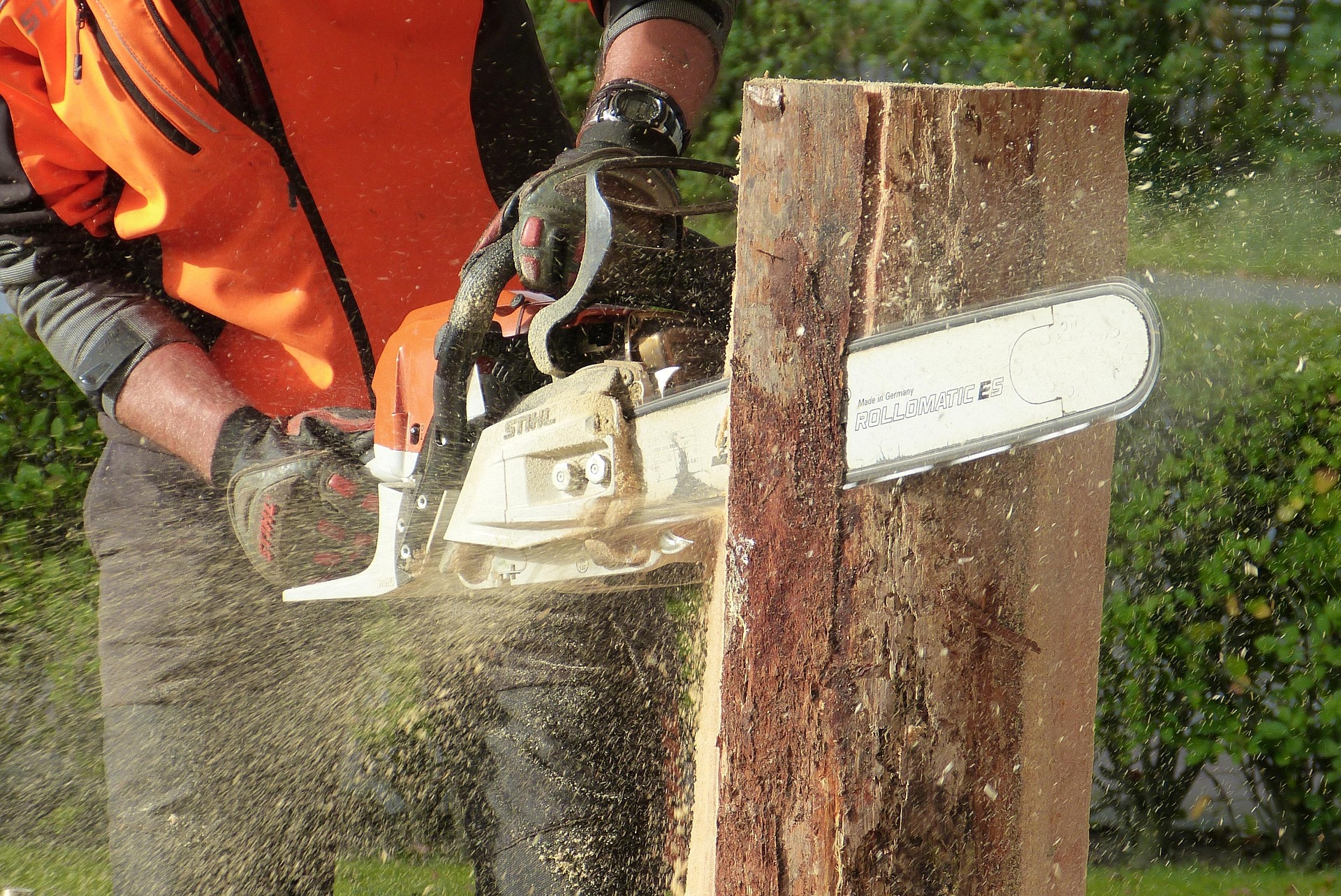
What if you woke up one morning and discovered that a hardware store just started handing out chainsaws for free. Everywhere you look, you'd see another person talking about how great their new chainsaw is and how it helped them solve every problem in their life. But pretty soon, you’d notice people using them to carve turkeys, prune houseplants, or to trim their beard. The tool is incredible, but we’ve skipped the safety manual and gone straight to the chaos.
This is what engineer Scott Smitelli says happened when LLMs and chatbots were released to the public. In his post (Large Chainsaw Model), he suggests that Large Language Models are very much like chainsaws: powerful, but potentially dangerous in untrained hands. A big problem is that so many people have access to these models but haven't been trained in how to use them properly or even safely. And I'm not saying tools need only be used a certain way according to their inventors (I don't think the inventor of the first chainsaw thought they would ever be juggled in the air or used to make music). But I'm sure we can agree that it would be good to know how to use powerful tools properly.
It's not hard to imagine how we got here. LLMs like ChatGPT and Gemini are made by big tech companies racing to outdo each other, and the "power" of these models is measured in parameters and daily users, not in how well people understand them. These companies are highly optimized for adoption, not instruction. To make matters worse, the UX of these chatbots hides the need for training almost entirely; interacting with one never actually feels dangerous, and it's easy to feel productive (even skilled) while misusing them. The companies building these tools aren't incentivized to teach us how to use them properly, they just want us to use them and keep using them.
So if the makers of these tools aren't incentivized to teach us how to use them properly, who is? I recently purchased a small hand chainsaw for yard work, and while it did come with instructions, the manual was incomprehensible. There were pages of diagrams that didn't look anything like the tool in my hand. So I did what any millennial would do: I went to YouTube. The most helpful video I found wasn't from the chainsaw company. It was from a random person who had figured it out and was genuinely excited to tell others what he'd learned. And this, it turns out, is how it tends to go. The best teachers of a powerful tool are rarely the people who built it. They're the people who picked it up, made mistakes, and felt compelled to share what they figured out.
As educators, we are uniquely wired for this moment. We are an inquisitive bunch, fueled by a deep-seated need to share what we know. We don’t need to be AI architects to make a difference; we just need to do what we do best: tinker, evaluate, and learn. Our students are already out there in the wild wielding these tools with varying degrees of success and safety. If we want to guide them toward a future where they are the creative users of the machine (rather than its victims) we have to start sharing our notes. We may not have built these models ourselves, but we don’t need to be the engineers to be the experts. After all, the person who taught me how to tighten my chainsaw chain didn't work at the factory; he just knew how to handle the tool.